· BarossaRoofWorks · Roof Repairs · 6 min read
7 Warning Signs You Need Emergency Roof Repair (Don't Ignore These)
Discover the critical warning signs that indicate your roof needs urgent attention. Learn which issues require immediate action to prevent costly damage.
Some roof problems can wait. Others absolutely cannot. Knowing the difference could save you thousands of dollars in water damage repairs and protect your family’s safety.
After 20+ years of emergency roof repairs across Adelaide and the Barossa Valley, we’ve seen how quickly minor issues become major disasters when homeowners wait too long. Here are the warning signs that demand immediate attention.
1. Active Water Leaking Into Your Home
Urgency Level: Immediate
If water is actively dripping or flowing into your home, you need emergency repair now. Active leaks cause:
- Structural timber rot within 24-48 hours
- Electrical hazards if water reaches wiring
- Mould growth starting within 48 hours
- Ceiling collapse if water pools
What to do right now:
- Place buckets to catch water
- Move furniture and valuables away from the leak
- If ceiling is bulging, puncture it carefully to drain water (prevents collapse)
- Turn off electricity to affected areas if water is near electrical fixtures
- Call for emergency roof repair immediately
Is It Really a Roof Leak?
Sometimes “roof leaks” are actually:
- Condensation from poor ventilation
- Leaking pipes or plumbing
- AC unit overflow
A genuine roof leak typically worsens during or immediately after rain. If water appears regardless of weather, check your plumbing first.
2. Missing or Damaged Roofing After a Storm
Urgency Level: Same-day
Adelaide and the Barossa are no strangers to severe weather. After storms, check for:
- Missing tiles or Colorbond sheets
- Lifted or dislodged ridge capping
- Visible holes or gaps
- Debris on roof (branches, fallen items)
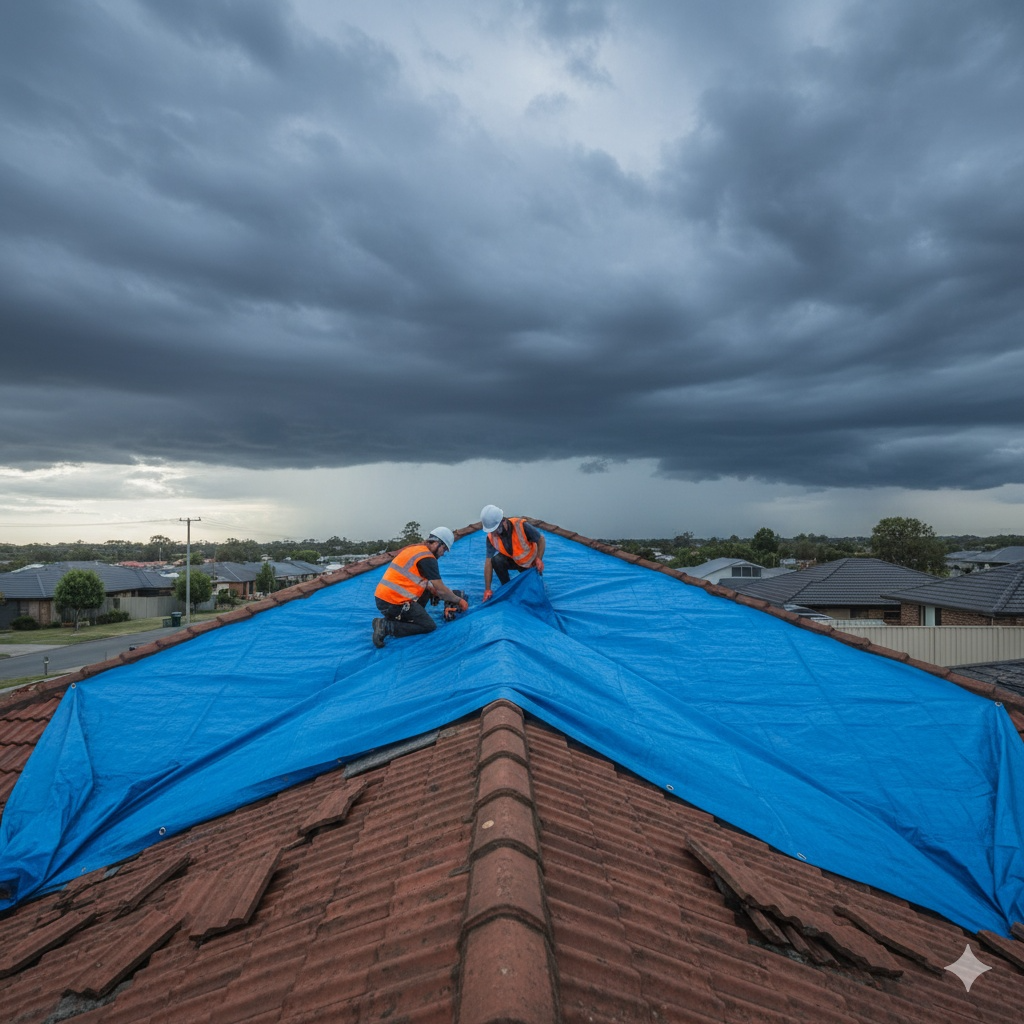
Even if you don’t see interior water damage yet, exposed areas will leak with the next rain. Temporary tarping can protect your home until permanent repairs are completed.
Storm damage tip: Document damage with photos before calling for repairs. This helps with insurance claims.
3. Sagging or Dipping Roof Sections
Urgency Level: Immediate - potential structural failure
A sagging roofline indicates serious structural problems:
- Water-damaged rafters or trusses
- Termite damage to structural timber
- Inadequate structural design for roof weight
- Foundation settlement affecting the structure
Do not enter the area beneath a sagging roof. This is a potential collapse risk. Call a professional immediately for assessment.
What Causes Roof Sagging?
Most commonly:
- Prolonged water damage - Slow leaks that have gone unnoticed
- Undersized structural members - Common in older homes or DIY additions
- Excessive weight - Multiple layer re-roofing without removing old materials
- Age deterioration - Timber loses strength over decades
4. Visible Daylight Through Roof
Urgency Level: Same-day
If you can see daylight through your roof (visible from inside your ceiling cavity), water can get in. Check your roof space during daylight hours - any light penetration indicates:
- Missing or cracked tiles
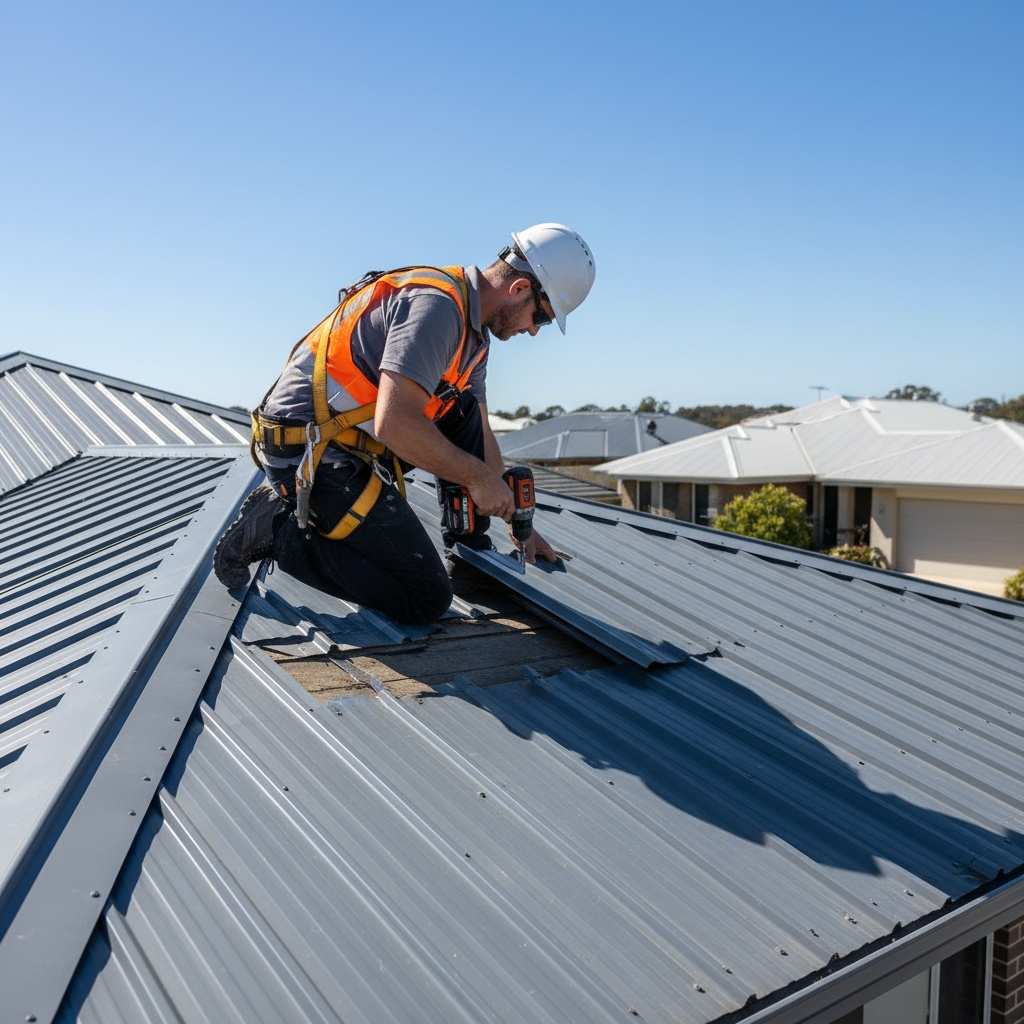
- Holes in metal roofing
- Gaps around flashings or penetrations
- Degraded or missing sarking
These gaps will leak during rain, even light showers. They also allow pests, birds, and possums into your roof space.
5. Sudden Increase in Energy Bills
Urgency Level: Investigate within 1-2 weeks
While not an “emergency” in the traditional sense, a sudden spike in heating or cooling costs often indicates:
- Missing or degraded insulation (often from water damage)
- Gaps allowing air infiltration
- Compromised roof structure
This is your roof telling you something is wrong before visible damage appears. Investigate now to prevent costlier repairs later.
6. Mould or Musty Smells in Upper Levels
Urgency Level: Urgent - health hazard
Mould growth indicates ongoing moisture problems. If you notice:
- Musty smells in bedrooms or upper floors
- Visible mould on ceilings or walls
- Discolouration or staining on ceilings
These signs mean water has been entering for some time. Mould poses health risks, particularly for those with respiratory conditions, children, and elderly family members.
Don’t just paint over it. Mould remediation requires addressing the water source first.
7. Flashing Damage or Separation
Urgency Level: Within 1 week (sooner if rain forecast)
Flashings seal the vulnerable joints in your roof:
- Where roof meets walls
- Around chimneys and skylights
- At valleys and hips
- Around vents and penetrations
If flashings are:
- Rusted or corroded
- Separated or lifting
- Missing sealant
- Visibly damaged
Water will enter at these points. Flashing repairs are relatively straightforward but must be done before rain events.
When Can You Wait?
Not every roof issue is an emergency. These can typically be scheduled:
- Minor cosmetic damage - Surface rust, minor dents
- Single cracked tile (if not leaking)
- Gutter issues - Unless causing water entry into roof
- Gradual wear - Can be addressed through planned replacement
However, always get professional assessment. What looks minor from the ground may be serious up close.
DIY Temporary Measures
While waiting for professional repairs, you can:
For active leaks:
- Use buckets and towels to manage water
- Apply roofing tape to accessible small holes (temporary only)
- Use plastic sheeting under furniture
What NOT to do:
- Don’t climb onto a wet roof
- Don’t attempt permanent repairs without experience
- Don’t ignore the problem hoping it’ll resolve
- Don’t cover damage without documenting for insurance
Cost of Waiting vs Acting
| Issue | Immediate Repair Cost | Delayed Repair Cost |
|---|---|---|
| Minor leak | $300-800 | $3,000-8,000 (water damage) |
| Missing tiles | $200-500 | $2,000-5,000 (structural damage) |
| Flashing failure | $400-1,000 | $5,000-15,000 (wall/ceiling damage) |
| Sagging roof | Assessment + repair | $15,000+ (structural rebuild) |
The message is clear: early intervention saves money.
Our Emergency Roof Repair Service
BarossaRoofWorks provides urgent roof repairs across Adelaide, the Barossa Valley, Gawler, and surrounding areas.
Our emergency response:
- Same-day response for urgent issues
- Temporary weatherproofing to prevent further damage
- Detailed assessment and permanent repair quote
- Insurance documentation assistance
- 24/7 emergency contact for existing customers
Service areas: Tanunda, Nuriootpa, Angaston, Gawler, Adelaide Hills, Northern Adelaide suburbs.
Need Urgent Roof Assessment?
If you’ve noticed any of these warning signs, don’t wait for the next storm to confirm your concerns.
Call us now: 08 7093 7290
Email: Send photos of damage to help us prepare for your call
We’ll assess the urgency and schedule appropriate response - whether that’s same-day emergency repair or a scheduled inspection.
Frequently Asked Questions
How quickly can you respond to emergency roof repairs?
For genuine emergencies (active leaks, storm damage, structural concerns), we aim for same-day response within our service area. We can usually provide temporary weatherproofing within hours and schedule permanent repairs promptly.
What should I do if I notice a leak at night or on weekends?
Manage water inside (buckets, towels, moving valuables), and call us first thing in the morning. For severe situations, our emergency line is available. Document everything with photos for insurance purposes.
Does home insurance cover emergency roof repairs?
Storm damage is typically covered under home insurance. Gradual wear and lack of maintenance usually isn’t covered. We can provide documentation to support your claim and work directly with assessors if needed.
How much does emergency roof repair cost?
Emergency repairs range from $300 for minor fixes to several thousand for significant storm damage. We provide clear pricing before work begins. Emergency call-out fees apply but are credited against repair costs.
Can I just put a tarp on and wait?
Temporary tarping can protect your home short-term, but it’s not a permanent solution. Tarps can shift in wind, trap moisture, and hide developing damage. Professional repair should follow as soon as practical.
What if I’m not sure whether it’s an emergency?
Call us to describe the situation. We’d rather assess and confirm it can wait than have you suffer preventable damage. There’s no charge for a phone consultation to help you understand urgency.