
· BarossaRoofWorks · Roofing Guides · 8 min read
Colorbond Roof Colours for Adelaide Climate: Why Your Choice Matters More Than Looks
Choosing a Colorbond colour? In Adelaide's harsh sun, your decision affects energy bills, roof longevity, and resale value - not just street appeal.
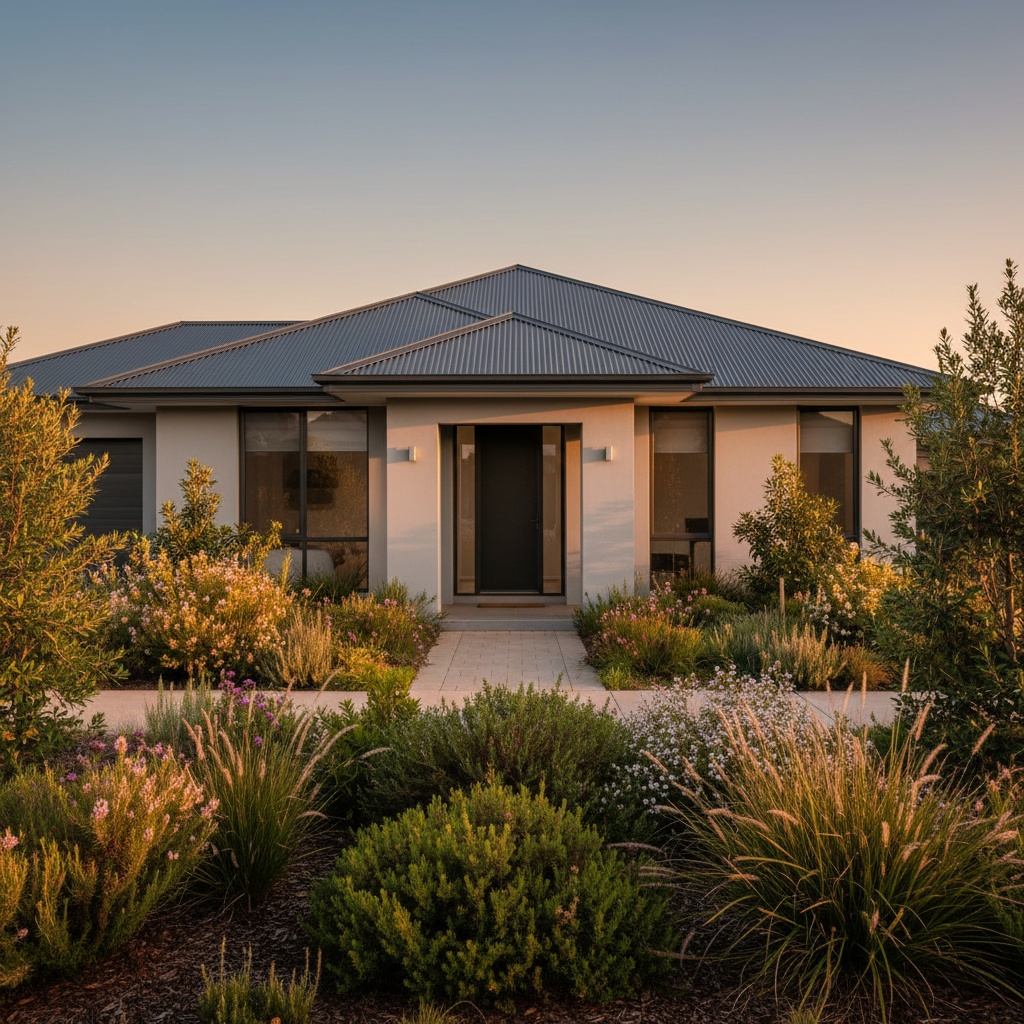
“What colour should I get?” is the question every Adelaide homeowner asks when choosing Colorbond roofing. Most focus on aesthetics - matching the house, complementing the neighbourhood, personal preference.
But in Adelaide’s climate, colour choice has consequences beyond appearance. Your Colorbond colour directly affects roof surface temperature, thermal stress, energy costs, UV fading, and ultimately how long your roof lasts.
Here’s what you need to know to make a decision you won’t regret.
How Colorbond Colour Affects Performance in Adelaide
Heat Reflection: The Solar Reflectance Index
Each Colorbond colour has a Solar Reflectance Index (SRI) measuring how much solar radiation it reflects versus absorbs. Higher SRI = cooler roof.
In Adelaide’s summer, this matters enormously:
| Colorbond Colour | SRI Rating | Surface Temp (40°C Day) |
|---|---|---|
| Surfmist | 95 | 52°C |
| Classic Cream | 85 | 56°C |
| Paperbark | 77 | 59°C |
| Shale Grey | 47 | 68°C |
| Woodland Grey | 35 | 72°C |
| Monument | 23 | 76°C |
| Night Sky | 5 | 82°C |
That’s a 30°C difference between Surfmist and Night Sky on the same summer day. This isn’t just academic - it affects everything from your air conditioning costs to how long your roof screws last.
What This Means for Adelaide Homes
For ceiling temperatures: Dark roofs transfer significantly more heat into your home. Even with insulation, a 75°C roof surface puts more heat into your living space than a 52°C surface.
For energy costs: Homeowners switching from dark to light Colorbond roofing typically report 10-15% reduction in summer cooling costs. In Adelaide’s long, hot summers, this adds up.
For roof longevity: Higher surface temperatures mean more thermal expansion, more stress on fasteners and flashings, and faster degradation of sealants. Light-coloured roofs experience less thermal cycling damage.
For resale value: Energy efficiency is increasingly valued by buyers. A home with documented lower cooling costs commands attention.
Adelaide Climate Considerations
Adelaide isn’t just “hot.” Our climate has specific characteristics that influence colour choice:
UV Intensity
Adelaide receives some of Australia’s highest UV radiation - an average UV Index of 13+ in summer (extreme rating). High UV accelerates:
- Colour fading - More pronounced in some colours
- Coating breakdown - Protective layers degrade faster
- Surface chalking - Powdery surface appearance
Better UV performers: Surfmist, Shale Grey, and Classic Cream maintain appearance longer under UV exposure. Monument and Night Sky can show fading effects earlier.
Temperature Extremes
Adelaide regularly sees 40°C+ days, with the Barossa Valley and inland areas experiencing even higher temperatures. Simultaneously, we get cool changes dropping temperatures rapidly.
Thermal cycling impact: Dark roofs experience more extreme expansion and contraction. A roof cycling between 20°C at night and 80°C during the day faces more stress than one cycling between 20°C and 55°C.
Regional variation:
- Barossa Valley: Inland location = hotter days, greater temperature swings. Light colours recommended.
- Adelaide Hills: Slightly cooler but high UV. Medium-light colours work well.
- Coastal/Gawler: More moderate temperatures. Wider colour range viable.
Bushfire Zones
In BAL-rated areas (much of the Adelaide Hills and rural Barossa), Colorbond is preferred for its non-combustibility. However, some consider whether dark roofs absorbing more heat could affect ember attack risk during fires. This is debated, but light colours do mean less radiant heat.
Colour-by-Colour Analysis
Light Colours (Recommended for Adelaide)
Surfmist
- SRI: 95 (highest)
- Best for: Maximum heat reflection, north-facing roofs, non-air-conditioned buildings
- Considerations: Shows dirt more than mid-tones; very bright appearance
- Adelaide performance: Excellent. Significantly reduces cooling load.
Classic Cream
- SRI: 85
- Best for: Heritage areas, cream-brick homes, traditional aesthetics
- Considerations: Warmer tone than Surfmist; heritage-appropriate
- Adelaide performance: Excellent. Good balance of appearance and efficiency.
Paperbark
- SRI: 77
- Best for: Rendered homes, neutral palette, natural appearance
- Considerations: Natural tone suits many facades; slight warmth
- Adelaide performance: Very good. Popular choice for Adelaide homes.
Medium Colours (Use With Consideration)
Shale Grey
- SRI: 47
- Best for: Contemporary homes, concrete and grey exteriors
- Considerations: Mid-range performance; very popular; modern appearance
- Adelaide performance: Moderate. Noticeable heat gain vs light colours.
Dune
- SRI: 64
- Best for: Sandy tones, warm palette homes
- Considerations: Warmer mid-tone; good compromise option
- Adelaide performance: Good. Better than grey tones for heat.
Ironstone
- SRI: 31
- Best for: Natural stone colour matching
- Considerations: Lower reflection; warmer/browner than greys
- Adelaide performance: Fair. Significant heat absorption.
Dark Colours (Not Recommended for Adelaide)
Woodland Grey
- SRI: 35
- Best for: Dark facade contrast, bushland settings (visual)
- Considerations: High heat absorption; popular despite performance
- Adelaide performance: Poor. Significantly hotter roof surface.
Monument
- SRI: 23
- Best for: Dark modern aesthetics
- Considerations: Very high heat absorption; premium appearance
- Adelaide performance: Poor. Creates excessive thermal stress.
Night Sky
- SRI: 5
- Best for: Ultra-modern design statement
- Considerations: Absorbs almost all solar radiation; highest heat gain
- Adelaide performance: Not recommended. Maximum heat absorption.
The Dark Colour Dilemma
We understand the aesthetic appeal of dark roofs. Monument and Woodland Grey are fashionable. Night Sky looks striking on modern homes. But in Adelaide, we consistently advise against them unless you understand the trade-offs.
If You Must Have a Dark Roof
Should you choose dark Colorbond despite the performance disadvantage, mitigate with:
- Maximum insulation: R5.0 or higher in ceiling, plus reflective sarking
- Enhanced ventilation: More roof vents than standard recommendations
- Quality fasteners: Premium screws rated for high thermal cycling
- Frequent inspection: Annual checks for thermal damage
- Budget for cooling: Accept higher energy costs
The Real Cost of Dark Roofing
| Cost Factor | Light Roof | Dark Roof | Difference |
|---|---|---|---|
| Initial cost | Same | Same | - |
| Annual cooling | Baseline | +$200-400/year | +$200-400 |
| Maintenance (15 years) | $2,000 | $3,500 | +$1,500 |
| Potential early re-roofing | 40+ years | 30-35 years | $15,000-25,000 |
Over 30 years, a dark roof can cost $10,000-$30,000 more than a light one when you factor energy, maintenance, and longevity.
Making the Right Choice
Start With Your Home Orientation
North-facing roof slopes: Choose light colours. These surfaces receive maximum sun exposure.
South-facing slopes: More flexibility. Medium colours viable as they receive less direct sun.
East/West slopes: Morning/afternoon sun exposure. Light to medium colours recommended.
Consider Your Facade
Light brick/render: Surfmist, Classic Cream, Paperbark - complementary tones
Red/orange brick: Paperbark, Dune, Classic Cream - warm palette harmony
Grey brick/concrete: Shale Grey (accept trade-offs) or Paperbark (better performance)
Dark facades: Contrast with light roof works visually and thermally
Check Neighbourhood Context
Heritage areas may have colour guidelines. Check with:
- The Barossa Council for Tanunda, Angaston, Nuriootpa
- Light Regional Council for Kapunda, Freeling
- Your specific council for other areas
Some heritage precincts restrict colour choices. Manor Red and traditional galvanised silver (Zincalume) may be required for heritage properties.
Heritage-Appropriate Colorbond Colours
For heritage contexts where Colorbond is acceptable:
- Manor Red - Matches traditional red oxide paint
- Pale Eucalypt - Subtle heritage green
- Woodland Grey - Traditional charcoal (accept performance trade-off)
- Paperbark - Approximates aged galvanised iron
See our heritage roofing guide for detailed heritage colour requirements.
Case Study: Colour Change Success in Golden Grove
The situation: 1988 home in Golden Grove with original dark brown tile roof, high summer cooling costs, considering roof replacement.
The analysis:
- Summer cooling bills averaging $650/month (ducted AC running constantly)
- Roof space temperatures exceeding 65°C on hot days
- Original tiles in poor condition anyway
The decision: Replace tiles with Colorbond Surfmist (highest SRI available)
The results after one summer:
- Summer cooling bills dropped to $480/month average (26% reduction)
- Roof space temperatures peaked at 48°C (17°C reduction)
- AC system cycling less frequently
- Projected energy savings: $170/month × 4 months = $680/year
Homeowner feedback: “The house is noticeably cooler even before the AC kicks in. On 38-degree days we used to have the AC blasting all day. Now it cycles normally. We’re saving money every summer and the new roof looks great.” - Karen & Michael T., Golden Grove
Colorbond Thermatech: The Technology Difference
BlueScope’s Thermatech technology is built into all Colorbond colours, providing infrared reflectance beyond the visible colour. This means:
- All Colorbond colours perform better than standard painted steel
- Lighter colours still outperform darker ones, but the gap is reduced
- Dark Colorbond is better than dark alternatives
Don’t let Thermatech marketing convince you dark colours are fine - they’re still significantly hotter than light colours. Thermatech improves all colours proportionally.
Professional Guidance
Choosing roof colour is a significant decision with long-term consequences. We help Adelaide homeowners make informed choices by:
Providing performance data: Actual SRI values and temperature estimates for your specific situation
Considering your home: Orientation, insulation, air conditioning, and usage patterns
Respecting aesthetics: Finding the best-performing colour within your design preferences
Heritage compliance: Understanding local heritage requirements
Get Colorbond Colour Advice
If you’re planning a new roof or re-roofing project in Adelaide, we provide obligation-free consultations including colour guidance appropriate for our climate.
Contact us:
- Phone: 08 7093 7290
- Request a quote
We service the Barossa Valley, Adelaide Hills, northern Adelaide, Gawler, and surrounding areas.
Frequently Asked Questions
Does Colorbond colour choice really affect my power bills?
Yes, measurably. Light-coloured Colorbond roofs typically reduce summer cooling costs by 10-15% compared to dark roofs in Adelaide. The exact savings depend on your home’s insulation, air conditioning efficiency, and usage patterns, but the effect is consistent and documented.
Can I change my Colorbond roof colour later?
Technically yes - Colorbond can be repainted. However, this adds $3,000-$8,000 and doesn’t change the underlying steel colour, meaning touch-ups become visible. It’s far better to choose the right colour initially.
Is there a difference between colours for warranty purposes?
BlueScope warranties apply equally to all colours. However, some colours show wear (fading, chalking) more visibly. Light colours generally age more gracefully in Adelaide’s UV conditions.
Why do I see so many dark roofs if they perform worse?
Fashion and misinformation. Dark roofs are currently fashionable in architectural design. Many homeowners don’t understand the performance implications, and some builders prioritise appearance over performance. Knowledge helps you make a better decision.
Are there any situations where dark Colorbond is acceptable in Adelaide?
Very well-insulated, well-ventilated buildings with efficient air conditioning can tolerate dark colours. Commercial buildings with high internal heat loads may have minimal difference. For typical residential buildings, light colours perform significantly better.
What about Zincalume vs Colorbond?
Zincalume (unpainted steel) has high reflectance and performs well thermally. However, it’s highly reflective (glare issues) and isn’t permitted in some areas. It’s a good option for sheds and industrial buildings where appearance is secondary.
Related Resources
- Roof Replacement Cost Guide - Full pricing information for Colorbond roofing
- Why Adelaide Roofs Leak in Summer - Understanding thermal performance issues
- Residential Roofing Services - New Colorbond installations
- Heritage Roof Restoration Guide - Heritage-appropriate colours